
News
Discover the latest medical web news
Home Ι E-health chronicles Ι Autoimmune myasthenia (myasthenia gravis)

Autoimmune myasthenia (myasthenia gravis)

December 12, 2023 — published by Pyramidale Communication
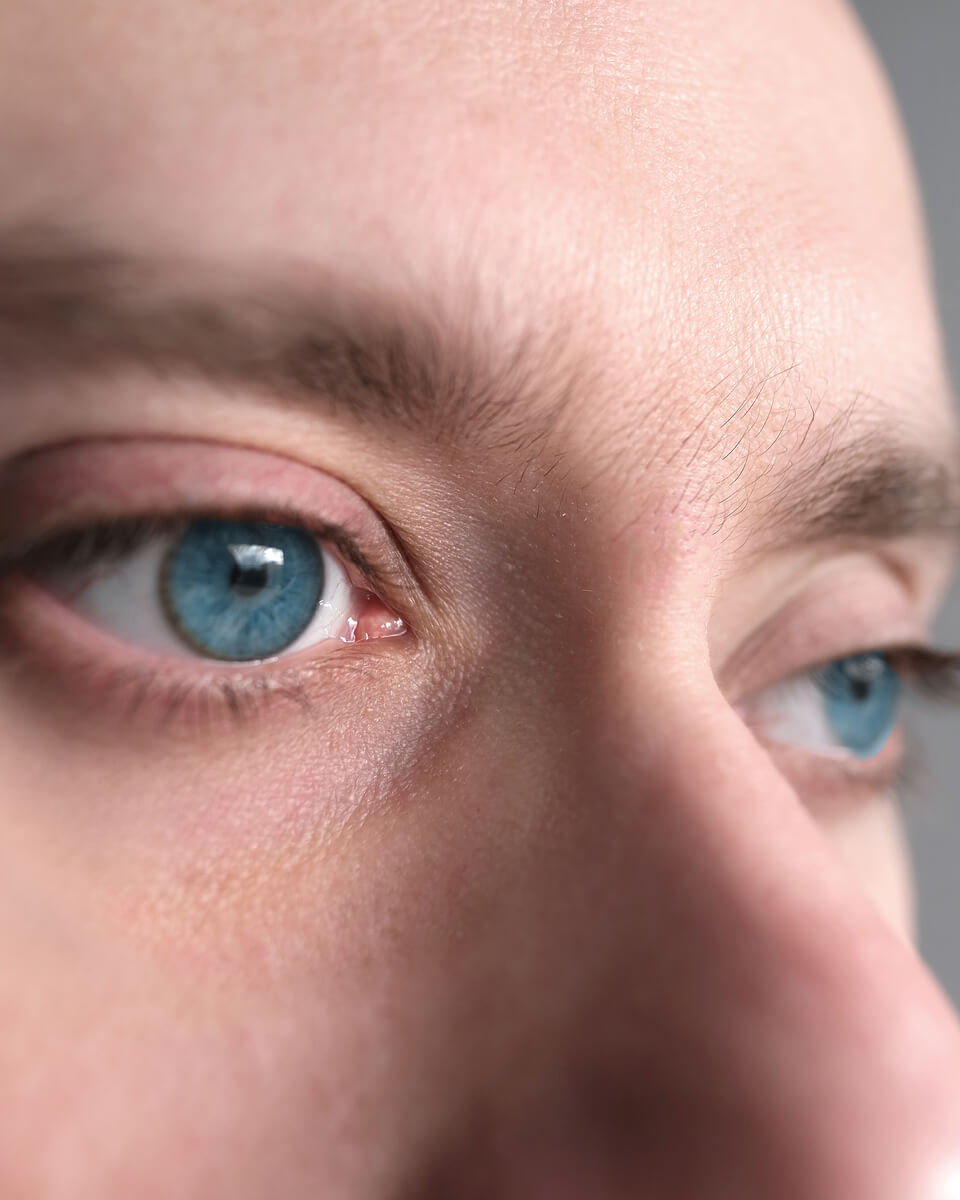
La Myasthénie auto-immune (myasthenia gravis)

Key numbers on autoimmune myasthenia

  • Autoimmune myasthenia was estimated to affect over 20,000 individuals in France in 2022.1
  • The average age of onset is 59.6 years.1
  • Women account for 56.2% of affected individuals.1
  • The disease is associated with an increased risk of death (HR = 1.82; 95% CI: 1.74 – 1.90).1

What is autoimmune myasthenia gravis?

Autoimmune myasthenia, or myasthenia gravis, is a autoimmune neuromuscular rare disease. In most patients, it is caused by specific antibodies targeting the acetylcholine receptor (AChR), muscle-specific tyrosine kinase (MuSK), or low-density lipoprotein receptor-related protein 4 (LRP4). These antibodies progressively impair neuromuscular transmission, leading clinically to excessive fatigability of the striated muscles during effort.2,3

Diagnostic criteria and medical care

The diagnosis of myasthenia gravis relies on a set of clinical evaluations collected from patient history and physical examination, complemented by paraclinical tests. Several differential diagnoses must also be excluded. 2
In nearly half of patients, the first symptoms are purely ocular, including ptosis (droopy eyelid) and diplopia (double vision). After one year, myasthenia gravis often becomes generalized affecting pharyngeal-laryngeal muscles, limbs, and/or respiratory muscles. In 10 to 15% of cases, it remains confined to the eye muscles, a condition called ocular myasthenia gravis.2
Myasthenia gravis is characterized by extreme variability in severity between individuals and frequent fluctuations within the same patient.2 Symptoms can be profoundly disabling due to the hallmark characteristic of fatigability, difficulties in swallowing and chewing, a nasal voice after prolonged conversation, and significant ocular involvement. In the most severe forms, the rapid onset of respiratory impairment, airway obstruction, shortness of breath, aspiration, and rapid motor deterioration constitutes a myasthenic crisis, a life-threatening condition requiring immediate admission to an intensive care unit.2
In suspected or confirmed cases of myasthenia, first-line symptomatic treatment with oral cholinesterase inhibitors is initiated. If symptoms are not adequately or durably controlled, long-term immunotherapy should be considered. Additional targeted therapeutic approaches may also be used.3
In severe forms of myasthenia gravis, hospitalization is required, sometimes in an intensive care unit. Rapid-acting immunomodulatory treatments such as plasma exchange or intravenous immunoglobulins, are indicated in cases of persistent functional impairment or rapidly progressive, life-threatening disease.2
Finally, in cases of thymoma, surgical treatment is essential regardless of the severity of the myasthenia, except in very elderly patients. Additional radiotherapy or chemotherapy may be indicated.2
The management of myasthenia gravis is multidisciplinary and, in difficult cases, involves reference centers with expertise in both diagnosis and treatment.2

Would you like to learn more about autoimmune myasthenia?

Click here to access the season dedicated to autoimmune myasthenia gravis on our RARE medical Podcast – RARE à l’écoute. Listen to interviews with experts (Dr. E. Salort-Campana, Dr. A. Pegat, Dr. A. Nadaj-Paklez, and Dr. S. Demeret), as well as a patient testimonial .
You can also watch the live show “Myasthenia: The Invisible Disease”, by clicking here, featuring patients, the Groupe d’intérêt Myasthénie of AFM-Téléthon, and AMIS (Association des Myasthéniques Isolés et Solidaires).

You can also read our article on the disease by clicking here.

Planning a project?

Pyramidale Communication, a medical communications agency, can support you in your medical communications and digital health marketing projects. We are pioneers in multi-channel health communications.

Please contact us with any questions. We are here to help!
Our teams will support you every step of the project.
References:
  1. Salort-Campana E, et al. Épidémiologie de la myasthénie autoimmune en France – l’étude STAMINA, une analyse rétrospective du Système National de Données de Santé (SNDS). Revue Neurologique. 2023;179:S108. https://doi.org/10.1016/j.neurol.2023.01.578
  2. PNDS Myasthénie autoimmune. Juillet 2015. Disponible sur le lien : https://www.has-sante.fr/upload/docs/application/pdf/2015-07/pnds_-_myasthenie_autoimmune.pdf
  3. Fiammetta Vanoli & Renato Mantegazza. What are the pharmacotherapeutic considerations for the treatment of myasthenia gravis?. Expert Opinion on Pharmacotherapy. 2022;23(13):1471- 1474. DOI: 10.1080/14656566.2022.2122710

SHARE THIS ARTICLE:   

Contact us today to discuss how we can help you stand out in medical communications.

Pyramidale Communication

ARTICLE WRITTEN BY PYRAMIDALE COMMUNICATION